Tag: Culture

  • Living and Learning in Zimbabwe: The Power of a Smile

    Living and Learning in Zimbabwe: The Power of a Smile

    I spent from June – December of 2013 living, learning, and working in Nkayi, Zimbabwe as a World Vision Canada Intern. I was asked by Living Zimbabwe to write a piece with some helpful hints for people traveling to Zimbabwe. I have tried my best to avoid the typical travel advice of “boil your water” and “ladies should wear skirts” and “don’t walk around outside in the dark alone”, because while those are great tips, they don’t mean anything. I’ve tried to make my advice meaningful; something that maybe you won’t read in the Lonely Planet book or hear from your Travel Health Clinic.

    1. Actually visit with the locals. I’m not talking about going, greeting them, and taking some pictures of their living spaces. Pictures are important, and absolutely, take them. But talk, and even more importantly, listen, to the locals. You can learn a lot from reading newspapers and browsing websites, but you can learn even more from listening to stories of people who live very different lives than most of us in North America do.
    2. Visit rural areas. Bulawayo and Harare are beautiful, and they have stories to tell… but sometimes the cities have somewhat of a North American feel to them. The rural areas are where you really get the feeling of what is means to be in Zimbabwe.
    3. Take part in some of the parts of daily Zimbabwean life. Carry water on your head so that you can begin to understand how a Zimbabwean women spends anywhere from 15 minutes to 2 hours of her day, and take a bucket shower so that you can appreciate the excessive amount of water that we have in North America, and use a blair-latrine so that you can be thankful that we have that money to put towards luxurious items such as flush-toilets.
    4. Learn to cook sadza (or if you’re like me and you can’t cook, at least watch in amazement as a Zimbabwean woman cooks it). I asked a coworker one evening how to make it, and she couldn’t tell me exactly; she didn’t know the measurements. It is an art of “some more mielie-meal”, “a little more water”, “a liiiittttle more mielie-meal”, and eventually, “a pinch of salt”.
    5. Watch football (soccer). I don’t mean on the television from inside your room, or even a “big-ticket” game at the outdoor pitch in one of the big cities. I mean put on a hat, and go watch locals play. If some of these kids had the same resources that David Beckham did, they would be better than Beckham was at his peak.
    6. Need a tour guide? Ask a local! Sure, Victoria Falls has boards of information everywhere, but like turning a book into a movie, sometimes really important and/or interesting pieces get left out. The locals will know all sorts of information, and probably be honored that you would ask them to guide you.
    7. Get in there! In North America, we are sometimes very shy about dancing with strangers because we don’t want to look “silly”, or we won’t try speaking another language because we will be laughed at. I looked silly, and I was laughed at… but it is a part of the experience!
    8. Accept all gifts. Zimbabweans understand that life is about relationships, and stronger than their desire to feed their own family tomorrow, is their desire to be hospitable and engage in fellowship with new friends today.
    9. Take time to feel. There is something about the sunset and the stars during the evening, after a day of hearing about the hardships one minute, but seeing the dancing and laughing the next.
    10. Be prepared to change. Zimbabwe changed my views on faith, materialism, the power of a smile, and so much more. I promise it will do the same for you.

    This has been a submission by Sherrie-Lee R. Chiarot. You can connect with Sherrie-Lee via the following: , https://twitter.com/sleerose, . You too can become a Citizen Journalist by submitting your story here: Citizen Journalism by Living Zimbabwe The views expressed in the article are those of the author and not necessarily Living Zimbabwe.

  • We Seriously Went Wrong Somewhere

    We Seriously Went Wrong Somewhere

    Three Zimbabweans were arrested for the murder of former boxing world champion Corrie Sanders. Yes Zimbabweans are making the headlines. Very sad if you think of the potential we thought we had. The effects of such headlines tell a story. The three don’t know what they have actually done. Locals who have always been angry are having ideas.

    Those who are having challenges with getting by, those who got laid off for being drunk at work, those who lost jobs because a Zimbabwean showed the right attributes for a job, those who are angry because white people had it easy, those who expected open doors without knocking and those who just booze for life.

    They are coming after a family that is also struggling and working 9hours a day. They are going to kill and destroy all little they have.

    Growing up my mum always told me, “usaise makumbo pamasofa kumba kwevanhu“, (don’t sit on or put, your legs on top of the couch when you have visited people). How can people forget where they come from and pick the worst habits in foreign lands and become the best at it. Even getting caught. Its disgusting. For such stupidity innocent people are going to pay. For every action there is a reaction. The cowards will be in jail while those out side will wish they had been arrested. Wherever we are, we represent our people. We can embrass them or make them proud.

    This has been a submission by Rodney K. written in South Africa.
    You too can become a Citizen Journalist by submitting your story here: Citizen Journalism by Living Zimbabwe
    The views expressed in the article are those of the author and not necessarily Living Zimbabwe.
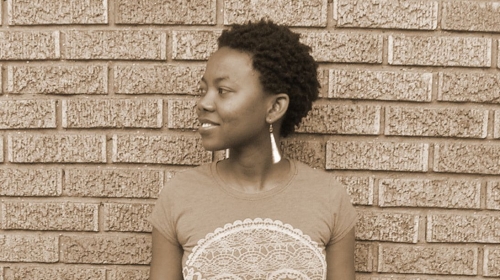
  • In America by NoViolet Bulawayo & The Cost Of Living In The Diaspora

    In America by NoViolet Bulawayo & The Cost Of Living In The Diaspora

    A few weeks ago, Zimbabwean author NoViolet Bulawayo made an appearance on Rendezvous With Zeinad Badawi. During her appearance she read an extract from a story that she wrote “In America”. The story is about the immigrant experience and the costs that some people pay for leaving home and not being able to return.

    [quote] And when our parents reminded us over the phone that it had been a long, long time, and that they were getting old and needed to see us, needed to meet their grandchildren, we said, we are coming mama, siyabuya baba, we are coming gogo, tirikuuya sekuru. We did not want to tell them we still had no papers. And when they grew restless and cursed

    America for being the greedy monster that swallowed their children, swallowed the sons and daughters of other lands and refused to spit them out, we said, we are coming very soon, we are coming next year. And next year came and we said, next year. When next year came we said, next year for sure. And when next year for sure came we said, next year for real. And when next year for real came we said, we are coming, you’ll see, just wait. And our parents waited and they saw, saw that we did not come.

    They died waiting, clutching pictures of us leaning against the Lady Liberty in their dried hands, graves of lost sons and daughters in their hearts, old eyes glued to the sky for fulamatshinaz (diaspora planes) to bring forth lost sons and daughters. [/quote]

    The story tells a tale about the struggles of getting to America and upon getting there, people forgetting about the dreams that they went there to pursue. This left work as the next option and due to visa restrictions, it meant working illegal and with the passage of time, the expiration of visas and people becoming illegal immigrants and all the while working menial to support family back home.

    It carries on telling the story of becoming stuck in the diaspora and longing for Mother Africa. Children being born  and raised in a way that is completely different to how they are raised at home. The passage of time also brings with it the passing of loved ones (parents) and facing the harsh reality of not being able to properly say goodbye. It then leads on to their own inevitable aging and their children putting them in nursing homes to be taken care of by strangers which is soon followed by death, an unceremonious burial and a spirit left in limbo.

    Being stuck in the diaspora and not having the papers to return back home is a story echoed by many Zimbabweans. “In America” gets you thinking about the costs of living in the diaspora and leaves you wonder if it is worth it?

    The article was published in Callaloo, an African Diaspora literary journal and can be found in it’s entirety here.